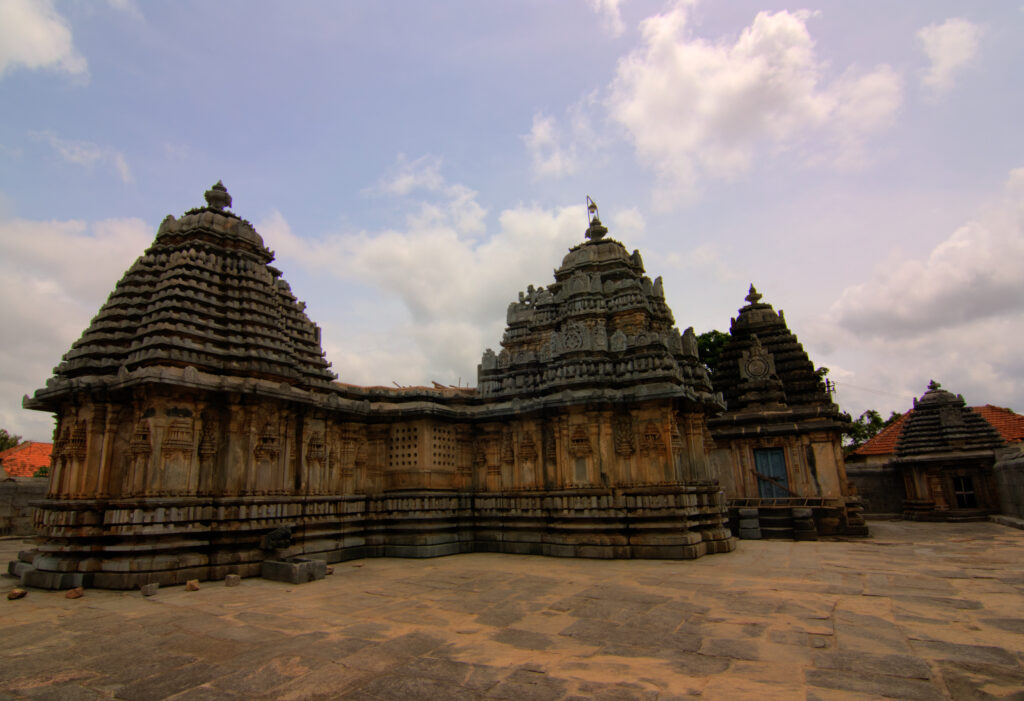
Shri Kedareshwara Swamy Temple
Shri Kedareshwara Swamy Temple Read More »
Shri Kedareshwara Swamy Temple
Shri Kedareshwara Swamy Temple Read More »
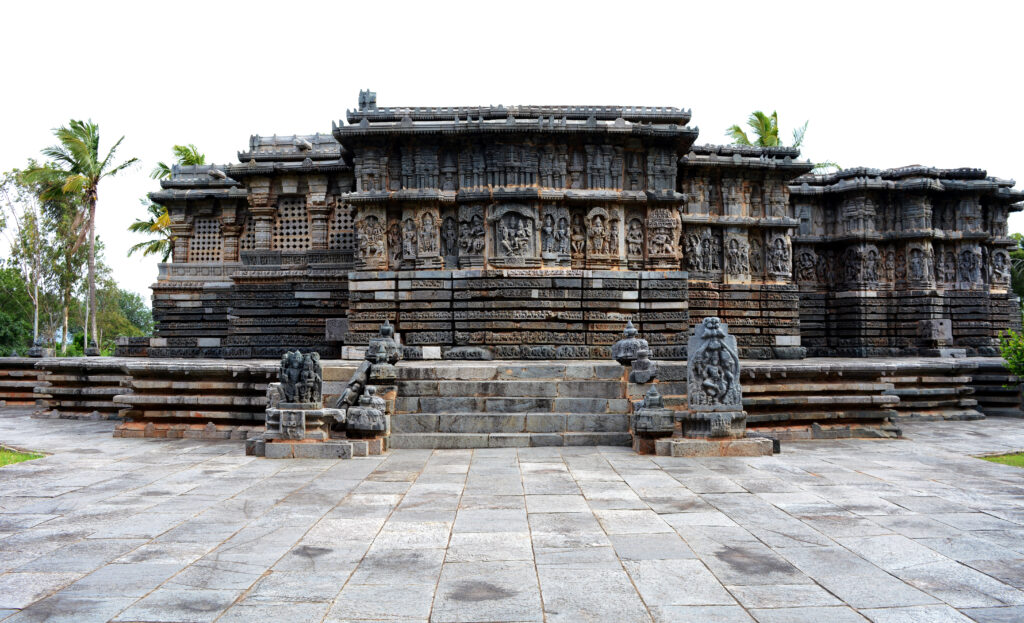
The Hoysaleshwara Temple and the Kedareshwara Temple are two famous historical temples located in Halebidu, Karnataka, India. They are renowned examples of Hoysala architecture. Ancient Hoysala Shri Hoysaleswara Temple
Hoysaleshwara Temple Read More »
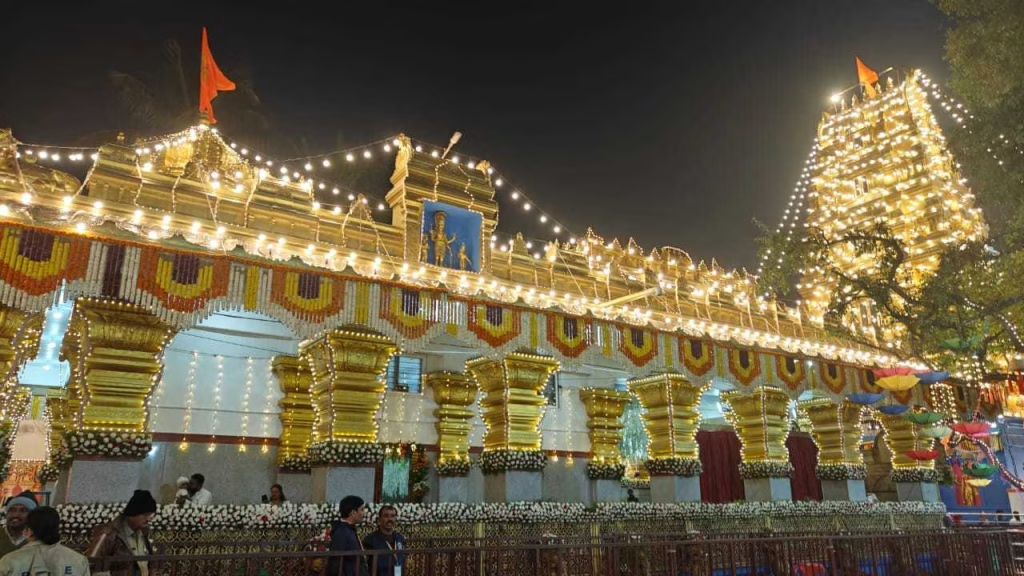
he Hasanamba Temple is located in Hassan, Karnataka, India. It is a restored Dravidian-style, 12th-century temple that is famous for being open to visitors only for about a week during the time of Diwali. Address: 233V+3Q7, Hosaline Rd, Ammeer Mohalla, Hassan, Karnataka 573201 Rating: 4.7 stars based on reviews.
The term “Ishvara Temple” often refers to a temple dedicated to Lord Shiva (Ishvara meaning ‘The Lord’). Given your focus on the historical Hoysala temples in Karnataka, the most likely temple you are referring to is the one in Arasikere. Ancient Hoysala Shri Chandramouleswara Temple (Arsikere) This temple is popularly known as the Ishvara Temple of Arasikere. It is another stunning example of Hoysala architecture, famous for its unique star-shaped (stellate) base and circular mandapa (hall) with 16 points. It is dedicated to Lord Shiva.
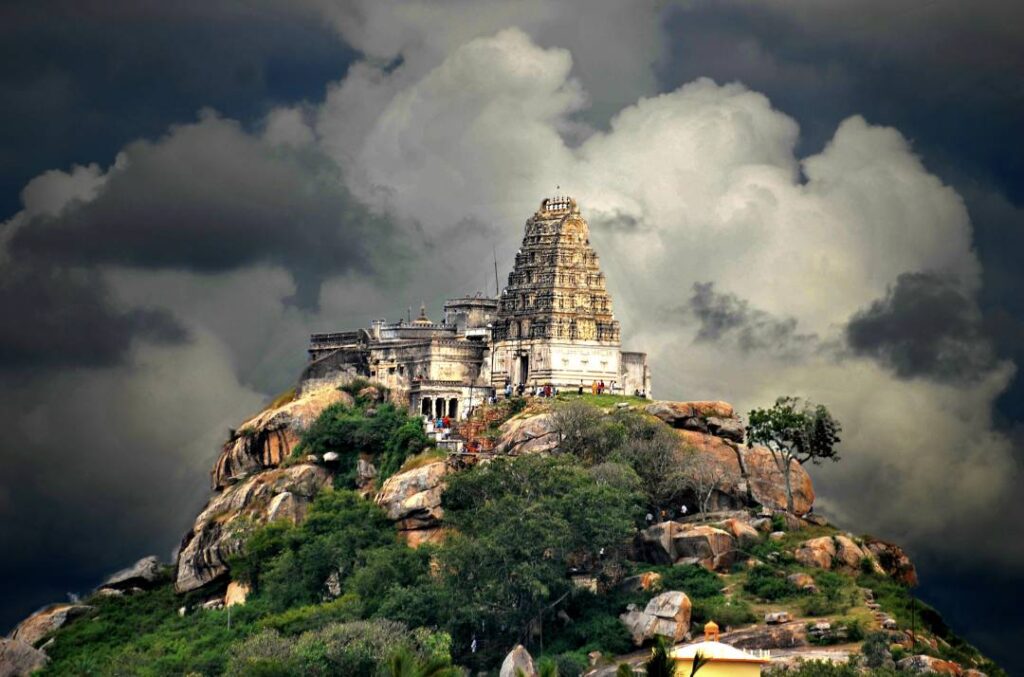
The name Lakshmi Narasimha Temple refers to several important temples, particularly those built during the Hoysala dynasty in Karnataka, famous for their intricate architecture. Given your previous interest in temples in the Hassan/Halebidu area, here are three notable Hoysala-era Lakshmi Narasimha Temples in Karnataka: 1. Ancient Hoysala Shri Lakshmi Narasimhaswamy Temple (Javagal) 2. Nuggehalli Shri Hoysala Lakshmi Narasimha Temple 3. Ancient Hoysala Shri Lakshmi Narasimha Swamy Temple (Haranahalli)
Lakshmi Narasimha Temple Read More »
🌸 Ugadi (Yugadi) Ugadi (or Yugadi, meaning “the beginning of a new age”) is the New Year’s Day celebrated by the people of Andhra Pradesh, Telangana, and Karnataka, marking the start of the new lunar calendar in the Hindu month of Chaitra (usually late March or early April). The day is considered highly auspicious as it is believed that Lord Brahma, the creator, began the universe’s creation on this day. Celebrations involve thorough house cleaning, decorating doors with mango leaves and vibrant rangoli, wearing new clothes, and visiting temples for the Panchanga Sravanam (listening to the yearly forecast). The most significant tradition is the preparation and consumption of Ugadi Pachadi, a unique dish made from six tastes—sweet (jaggery), sour (tamarind), bitter (neem flowers), spicy (chilli/pepper), salty (salt), and tangy/astringent (raw mango). This mixture is deeply symbolic, representing the philosophical belief that one must accept all six flavors of life—joy, sorrow, anger, fear, disgust, and surprise—with equanimity in the coming year. This celebration of a new cosmic cycle and the revival of nature is a time for optimism, seeking blessings, and starting new ventures with positivity.
Diwali (Deepavali) Diwali, or Deepavali (meaning “row of lights”), is the Hindu festival of lights celebrated over five days in the autumn (usually October or November), symbolizing the spiritual victory of light over darkness, good over evil, and knowledge over ignorance. The main day involves the worship of Goddess Lakshmi for wealth and prosperity, and the lighting of diyas (clay lamps), candles, and fireworks to welcome her presence into clean, decorated homes. The festival also commemorates events like the return of Lord Rama to Ayodhya and the liberation of Mahavira in Jainism, making it a time for family feasting, exchanging sweets and gifts, and strengthening bonds. 📅 The Five Days of Diwali The main festival spans five days, each with its own significance and rituals:
Navaratri is a nine-night festival dedicated to the worship of the Divine Feminine, Goddess Durga, in her nine different forms (Navadurga), celebrating her victory over the buffalo demon Mahishasura. This festival involves fasting, daily rituals, and regional cultural celebrations like the vibrant Garba and Dandiya dances of Gujarat, or the grand Durga Puja in Eastern India. The 10th day, known as Dussehra or Vijayadashami (Victory on the Tenth Day), marks the culmination of the celebrations, symbolizing the ultimate triumph of good over evil. This single day commemorates two major victories: Goddess Durga slaying Mahishasura, and Lord Rama’s defeat of the demon king Ravana in the epic Ramayana. The day is celebrated across India with the immersion of Durga idols (Visarjan) and the burning of towering effigies of Ravana, his brother, and son, accompanied by fireworks. 🗺️ Regional Celebrations The focus and name of the festival vary significantly across India:
The Mahamastakabhisheka (literally, “Grand Head Anointing”) is one of the most important and spectacular Jain festivals, held once every 12 years. It is a major event for Jains worldwide and centers around the anointing of the statue of Bahubali. Here is a brief, three-line paragraph on the festival: This Jain festival involves the ceremonial anointing of the massive 57-foot (17.4 m) high monolithic statue of Bahubali (Gommateshwara) at Shravanabelagola in Karnataka, India. Held once every 12 years, the statue is bathed with thousands of gallons of water, milk, sugarcane juice, turmeric, and sacred herbs, and finally showered with flowers and precious stones. The event draws millions of devotees and tourists from across the globe, symbolizing renunciation, spiritual purity, and devotion to the Tirthankaras.
Mahamastakabhisheka Read More »
The Hasanamba Jatre is a unique annual temple festival celebrated in Hassan, Karnataka, centered around the 12th-century Hasanamba Temple dedicated to Goddess Shakti. This historic temple holds a distinct tradition: its doors are opened to the public only once a year, usually for a period of about two weeks during the Hindu festival of Deepavali in October. During this short window, lakhs of devotees flock to the city for a glimpse (darshan) of the presiding deity, with the belief that offerings made before the closure, like a lamp and rice, miraculously remain untouched and fresh until the temple reopens the following year.