
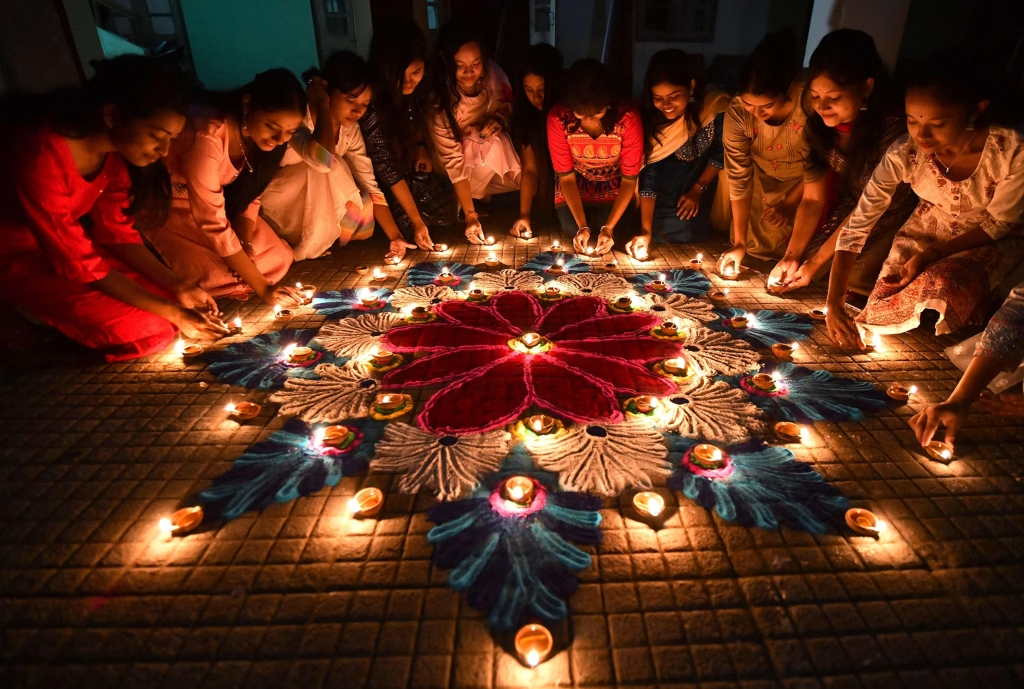
Diwali (Deepavali)
Diwali, or Deepavali (meaning “row of lights”), is the Hindu festival of lights celebrated over five days in the autumn (usually October or November), symbolizing the spiritual victory of light over darkness, good over evil, and knowledge over ignorance. The main day involves the worship of Goddess Lakshmi for wealth and prosperity, and the lighting of diyas (clay lamps), candles, and fireworks to welcome her presence into clean, decorated homes. The festival also commemorates events like the return of Lord Rama to Ayodhya and the liberation of Mahavira in Jainism, making it a time for family feasting, exchanging sweets and gifts, and strengthening bonds.
📅 The Five Days of Diwali
The main festival spans five days, each with its own significance and rituals:
- Dhanteras: Auspicious day for cleaning and buying gold, silver, or new utensils to welcome wealth and prosperity (Lakshmi and Kubera worship).
- Naraka Chaturdashi (Chhoti Diwali): Commemorates Lord Krishna’s victory over the demon Narakasura, symbolizing the removal of evil and darkness.
- Diwali (Lakshmi Puja): The main day of the festival, when Goddess Lakshmi is worshipped, homes are illuminated, and fireworks are lit.
- Govardhan Puja (Padwa): Celebrates Lord Krishna lifting the Govardhan Hill and marks the start of the Hindu New Year in some regions.
- Bhai Dooj: Celebrates the special bond and love between brothers and sisters.